SEO Explained: How Search Engine Optimization Helps Your Website Grow
Search Engine Optimization (SEO) is the process of improving your website so it ranks higher in search engine results, making it easier for potential customers to find your business online. SEO includes optimizing website content with relevant keywords, improving page speed, creating a mobile-friendly design, and publishing valuable, informative content that meets user needs. It also involves building website authority through quality backlinks and maintaining a strong technical foundation. A well-executed SEO strategy not only increases organic traffic but also enhances user experience, builds brand credibility, and generates long-term results. Unlike paid advertising, SEO continues to drive visitors over time, making it one of the most cost-effective digital marketing strategies for businesses of all sizes.
Understanding the Different Types of SEO
There are four main types of SEO, and each plays an important role in improving your website's search engine rankings. These include On-Page SEO, Off-Page SEO, Technical SEO, and Local SEO. Together, these SEO strategies help optimize your website, increase organic traffic, enhance user experience, and improve online visibility. Understanding each type is essential for building a successful and long-lasting SEO strategy.
On-Page SEO
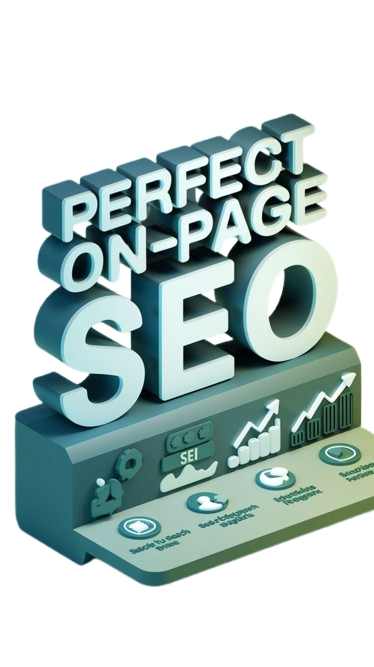
On-Page SEO refers to the process of improving the content and structure of individual web pages so they perform better in search engine results. It focuses on elements you can control, such as page titles, headings, keywords, images, URLs, and internal links. When these elements are properly optimized, search engines can understand your content more easily, and users enjoy a smoother browsing experience.
Example: If your article is about "SEO Tips for Beginners," use the keyword naturally in the page title, headings, URL, and content. Add descriptive image alt text and include links to related articles on your website to improve both SEO and user engagement.
Elements of On-Page SEO
On-Page SEO is made up of several important elements that help search engines understand your web page and improve the overall user experience. Optimizing these elements can increase your chances of ranking higher in search results.
1. Title Tag
A clear and keyword-rich title helps search engines understand the topic of your page and encourages users to click.
2. Meta Description
A short summary that appears in search results. A well-written meta description can improve your click-through rate.
3. Headings (H1, H2, H3)
Headings organize your content into sections, making it easier for both users and search engines to understand.
4. Keyword Optimization
Use your target keywords naturally in the title, headings, and content without overusing them.
5. URL Structure
Keep URLs short, descriptive, and easy to read. A clean URL helps both users and search engines.
6. High-Quality Content
Create original, informative, and engaging content that answers users' questions and provides value.
7. Internal Linking
Link to relevant pages within your website to improve navigation and help search engines discover more content.
8. Image Optimization
Compress images for faster loading and add descriptive alt text to improve accessibility and SEO.
9. Mobile Friendliness
Make sure your website works well on all screen sizes, especially smartphones and tablets.
10. Page Speed
A fast-loading website improves user experience and can positively impact search engine rankings.

Off-Page SEO
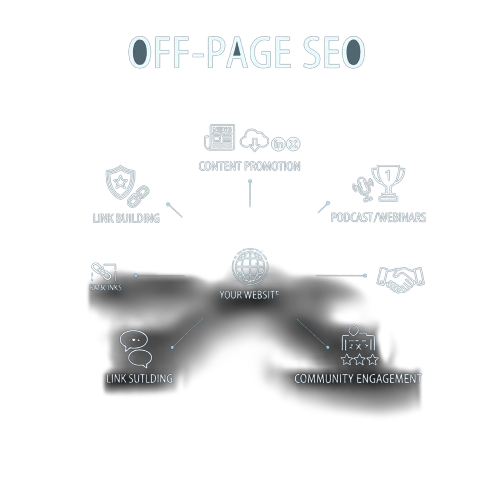
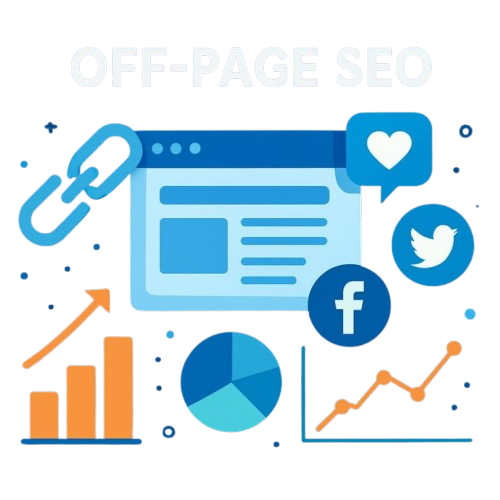
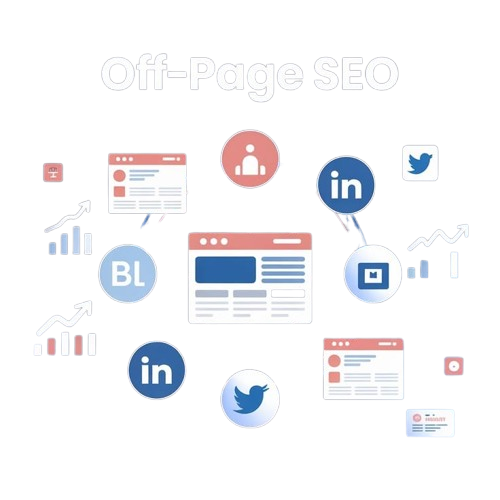
Off-Page SEO is the practice of improving a website's reputation and authority through activities that happen outside of the website itself. Instead of making changes to your web pages, it focuses on building trust with search engines by earning quality backlinks, increasing brand awareness, gaining social media engagement, and receiving mentions from other trusted websites. Strong Off-Page SEO helps search engines view your website as credible, which can lead to better rankings and more organic traffic.
Example: Imagine you own a travel blog and publish an article about "Top Tourist Places in India." If a popular travel website links to your article or recommends it to its readers, that backlink acts as a vote of confidence. As a result, your website may gain more visitors and improve its position in search engine results.
Elements of Off-Page SEO
Off-Page SEO consists of activities performed outside your website to improve its authority, credibility, and search engine rankings. These elements help search engines recognize your website as a trusted source of information.
1. Backlink Building
Earning high-quality backlinks from trusted websites helps improve your website's authority and search rankings.
2. Guest Posting
Writing articles for reputable websites allows you to reach a wider audience while gaining valuable backlinks.
3. Social Media Engagement
Sharing your content on social media platforms increases visibility, drives traffic, and encourages user engagement.
4. Brand Mentions
When other websites or online publications mention your brand, it strengthens your online reputation and credibility.
5. Influencer Outreach
Collaborating with industry experts or influencers can help promote your content and attract new visitors.
6. Local SEO Citations
Listing your business on trusted online directories with consistent business information improves local search visibility.
7. Online Reviews
Positive customer reviews on platforms like Google and other review sites build trust and influence local rankings.
8. Forum and Community Participation
Contributing helpful answers in relevant forums and online communities can increase brand awareness and drive targeted traffic.
9. Content Promotion
Promoting blogs, infographics, videos, and other valuable content across different platforms helps reach a larger audience.
10. Digital PR
Getting featured on news websites, blogs, or industry publications increases your website's authority and online presence.
Technical SEO
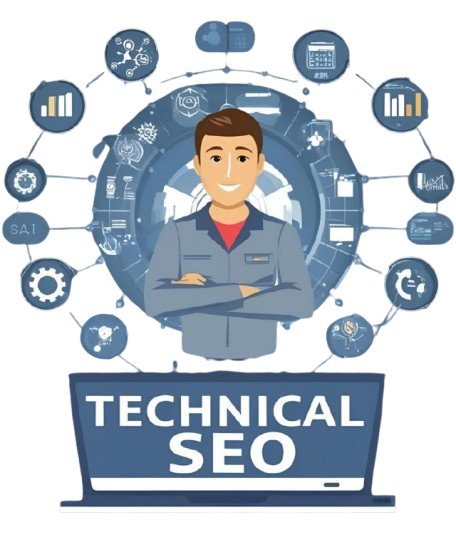
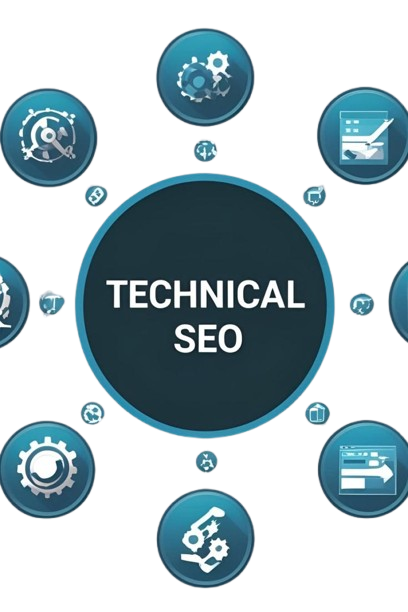
Technical SEO is the process of improving a website's backend structure to help search engines discover, crawl, and index its pages more effectively. It focuses on the technical foundation of a website, such as site speed, mobile responsiveness, secure HTTPS connections, clean URL structures, XML sitemaps, and fixing crawl or indexing issues. A strong technical setup not only helps search engines understand your website but also creates a faster and smoother experience for visitors.
Example: Imagine you have an online shopping website. If all your pages load quickly, the website is secure with HTTPS, and search engines can easily access your XML sitemap, your products are more likely to be indexed correctly and appear in relevant search results. This can improve both your rankings and user experience.
Elements of Technical SEO
Technical SEO focuses on improving the technical foundation of a website so that search engines can crawl, index, and rank it efficiently. A well-optimized website also delivers a faster and smoother experience for users.
1. Website Speed
A fast-loading website improves user experience and helps reduce bounce rates, which can positively impact search rankings.
2. Mobile Friendliness
Your website should work properly on smartphones and tablets to provide a seamless experience across all devices.
3. HTTPS Security
Using HTTPS encrypts user data and makes your website more secure, which is an important ranking factor.
4. XML Sitemap
An XML sitemap helps search engines discover and index your website's important pages more efficiently.
5. Robots.txt File
The robots.txt file tells search engine crawlers which pages they can or cannot access on your website.
6. Crawlability
Ensure search engines can easily crawl all important pages without encountering broken links or blocked resources.
7. Indexability
Make sure valuable pages are indexed correctly so they can appear in search engine results.
8. Structured Data (Schema Markup)
Schema markup helps search engines understand your content better and can improve how your pages appear in search results.
9. Canonical Tags
Canonical tags prevent duplicate content issues by telling search engines which version of a page is the preferred one.
10. Clean URL Structure
Use short, descriptive, and SEO-friendly URLs that are easy for both users and search engines to understand.
Powerful SEO Tools to Boost Your Digital Marketing Strategy
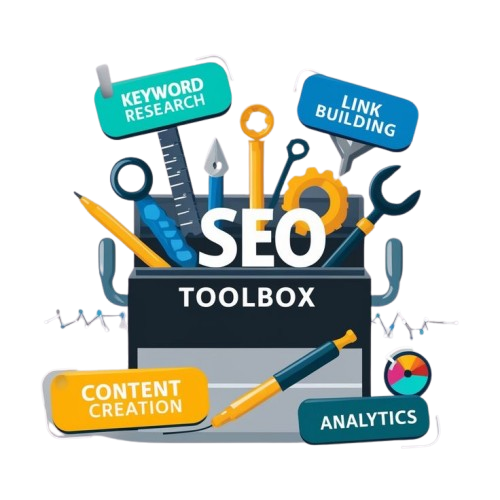
SEO tools are software and online platforms that help improve a website's performance in search engine results. They assist with tasks such as keyword research, website audits, backlink analysis, rank tracking, and content optimization. By providing useful insights and performance data, SEO tools make it easier to optimize websites, increase organic traffic, and achieve better search engine rankings.
There is no fixed number of SEO tools because new tools are introduced regularly. Today, hundreds of SEO tools are available, each designed to perform specific SEO tasks. Some tools focus on keyword research, while others help with technical SEO, backlink analysis, rank tracking, content optimization, or website audits.
The most common categories of SEO tools include:
- Keyword Research Tools
- Website Audit Tools
- Backlink Analysis Tools
- Rank Tracking Tools
- Technical SEO Tools
- Content Optimization Tools
- Competitor Analysis Tools
- Local SEO Tools
- SEO Reporting Tools
- Page Speed & Performance Tools
Future-Proof Your Website with SEO
Future-Proof Your Website with SEO
The online world is constantly changing, and websites need to evolve to stay competitive. SEO helps prepare your website for these changes by improving its visibility, usability, and overall quality. A strong SEO strategy is not just about ranking today—it is about creating a website that continues to perform well as search engines and user behavior change over time.
Future-proofing your website starts with publishing helpful, original content, maintaining a fast and mobile-friendly design, and ensuring that every page delivers a positive user experience. Regular SEO updates, technical improvements, and content optimization also help your website remain relevant in search results.
By investing in SEO today, you build a stronger online presence for the future. A well-optimized website is more likely to earn consistent organic traffic, gain user trust, and adapt successfully to new search trends and algorithm updates, making it a valuable asset for long-term digital growth.