What Is Community-Led Growth? (The Strategy Big Brands Are Quietly Using)
Some of the most loyal customer bases in the world weren’t built through advertising at all — they were built through people talking to each other, sharing tips, defending the brand in comments, and welcoming newcomers into a space that felt like theirs, not just the company’s. That quiet, often overlooked engine is called community-led growth, and it closes out this section of our blog series in a fitting way.
We’ve covered content calendars, platform algorithms, personal branding, and influencer partnerships. Now let’s look at a strategy that ties all of it together — not by borrowing attention, but by building a space people genuinely want to belong to.
What Community-Led Growth Actually Means
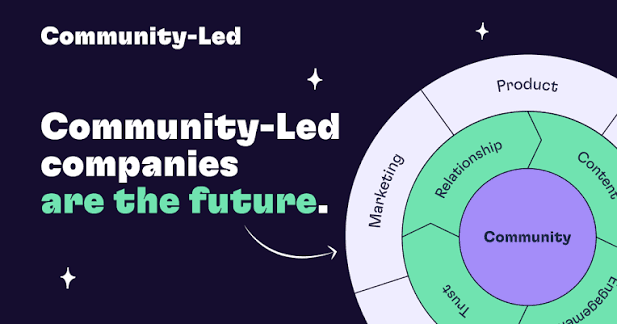
Community-led growth is a strategy where a brand’s growth comes primarily from an engaged, connected group of customers or followers who support, promote, and strengthen the brand themselves — rather than growth coming purely from advertising or one-directional marketing messages.
Instead of a brand constantly broadcasting at an audience, community-led growth focuses on creating a space where the audience talks with each other, and often ends up promoting the brand simply because they feel genuinely invested in it.
Why This Feels Different From Traditional Marketing
Traditional marketing generally flows in one direction: a brand creates a message, and an audience receives it. Community-led growth flips part of that relationship. The brand still plays a role, but much of the energy, conversation, and even promotion comes from within the community itself.
Think about the difference between attending a lecture and attending a lively group discussion. In a lecture, information flows one way, from speaker to audience. In a group discussion, people build on each other’s ideas, defend perspectives, and often walk away more invested simply because they participated rather than just listened. Community-led growth aims to create that second experience, with the brand as a facilitator rather than the sole voice in the room.

What Makes Community-Led Growth So Powerful
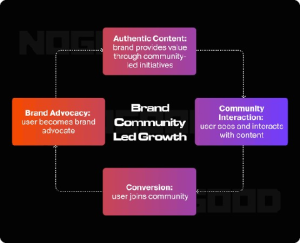
It builds trust that advertising can’t buy. Recommendations from fellow community members often carry more weight than anything a brand says about itself directly.
It creates natural, ongoing word-of-mouth. Engaged community members frequently share their experiences organically, without needing to be paid or prompted.
It increases loyalty and retention. People who feel genuinely part of a community are far less likely to abandon a brand over a single bad experience, since their connection runs deeper than the product alone.
It generates valuable, honest feedback. Active communities often surface genuine concerns, ideas, and improvements long before formal customer research would catch them.
Where Community-Led Growth Typically Happens
Dedicated online communities — private groups, forums, or platforms like Discord, where members interact directly with each other, not just the brand.
Comment sections and social engagement — brands that genuinely respond, ask questions, and encourage discussion rather than simply posting and disappearing.
User-generated content — customers sharing their own experiences, photos, or reviews, often without being explicitly asked.
Events, both online and offline — webinars, meetups, or live sessions that give community members a chance to connect directly with each other, not just consume content passively.
A Simple Example
Imagine a small fitness clothing company that creates a private online community where clients can exchange training plans, pictures of their progress, and words of support. At first, the brand merely fosters dialogue, occasionally stepping in to offer updates or respond to enquiries.
Over time, members begin encouraging newcomers, answering each other’s questions, and organically mentioning the brand’s products within their own shared posts and stories — not because they were paid to, but because they genuinely feel part of something.
The brand didn’t need to constantly advertise within that space. The community itself became a self-sustaining source of trust, retention, and organic promotion.
How This Differs From Just Having Social Media Followers
Having a large following isn’t the same as having an engaged community. Followers can passively scroll past content without any real connection to each other or genuine investment in the brand’s success.
A true community, by contrast, involves interaction between members, not just between the brand and individual followers. That distinction is what transforms a simple audience into a genuine growth engine.