Must-Have Digital Marketing Tools for Beginners (Free & Paid)
A new freelancer once spent her entire first paycheck on five different premium marketing tools, convinced professional software was the missing ingredient behind bigger, more established competitors. Months later, she realized she was barely using most of them, while a single free tool she’d initially overlooked was doing ninety percent of the actual heavy lifting. Tools matter, but knowing which ones genuinely matter matters even more.
We just explored how to land your first freelance client. Now let’s look at the practical toolkit worth building early, so you can actually deliver strong work once that first opportunity arrives.
Why Tool Choice Deserves Careful Thought
It’s tempting to assume more expensive, more advanced tools automatically produce better results. In reality, most beginners genuinely need only a small handful of reliable tools, used consistently and well, rather than an overwhelming collection of software that ends up mostly unused.
The goal isn’t collecting tools — it’s choosing the smallest, most effective set that lets you actually execute your work confidently.
Analytics and Data Tools
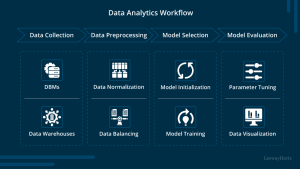
Google Analytics — As covered earlier in this series, this free tool remains the standard for understanding website visitor behavior, and is genuinely essential for anyone working in digital marketing, regardless of specialization.
Google Search Console — A free companion tool that shows exactly how your website performs specifically within Google search results, including which search terms bring in visitors.
Content Planning and Scheduling Tools
A simple spreadsheet or free planning tool — As discussed in our earlier post on content calendars, you don’t need expensive software to plan content effectively; a well-organized spreadsheet works perfectly well for beginners.
Social media scheduling platforms — Many offer free tiers allowing you to plan and automatically publish posts across multiple platforms in advance, saving significant daily time.
Design Tools
Free, browser-based design platforms — Modern design tools have made it possible to create genuinely professional-looking graphics without needing traditional, expensive design software or advanced technical skill.
Stock photo and video libraries — Many platforms offer free, high-quality images and video clips, useful when you don’t have original photography or footage available.
SEO and Keyword Research Tools
Free keyword research tools — Several platforms offer limited free access to see approximately how often specific search terms are used, helping guide which topics are genuinely worth writing about.
Basic website audit tools — Free tools exist that scan your website and highlight simple technical SEO issues, like slow loading speed or missing page descriptions.
Email Marketing Tools
Free-tier email marketing platforms — Most major email tools offer a free plan for smaller subscriber lists, allowing beginners to build and manage an email list without upfront cost until it grows significantly.
AI-Assisted Tools
As covered earlier in our AI-focused section, generative AI tools have become genuinely useful for brainstorming, drafting, and speeding up content creation — provided outputs are always fact-checked and refined with your own voice and judgment before publishing.